

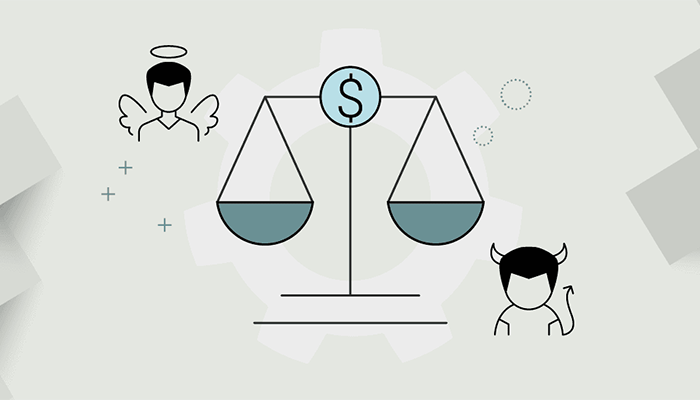
In today’s world, price is no longer just a number for a transaction; it represents a business’s perspective on economic fairness and value creation. Fair pricing means setting a price that not only protects the interests of the producer but also ensures customer satisfaction and loyalty. Such an approach is effective when it is built on real data and ethical principles, rather than short-term profit alone.
Understanding the True Value of a Product or Service
The first step in determining a fair price is accurately understanding the true value of the product. Value is not limited to production costs and raw materials; it also depends on quality, innovation, after-sales service, and the customer’s sense of satisfaction. For example, two products with similar production costs may have different prices if one delivers a better user experience. Therefore, carefully analyzing perceived value from the customer’s perspective is a key part of pricing policy.
Calculating Costs and a Reasonable Profit Margin
The second stage involves precise calculation of direct and indirect costs—from raw materials to marketing, packaging, human resources, and distribution. In fair pricing, the goal is to achieve “sufficient” profit, not the “maximum possible.” A business should set its profit margin in a way that maintains financial sustainability without placing excessive pressure on consumers. In competitive markets, this approach leads to brand stability and long-term trust.
Market Analysis and Consumer Behavior
No pricing strategy can be effective without understanding market behavior. If a price is set too low, customers may perceive the product as low value; if it is too high, it may lead to reduced sales. Analyzing consumer psychology data, target segments, average income levels, and competitors’ strategies are key tools for achieving balance. Successful brands continuously update market data to stay aligned with changing economic realities.
Transparency and Ethics in Price Communication
Transparency in pricing is one of the main pillars of trust building. Consumers have the right to know why a product is more expensive or cheaper than alternatives. Providing honest explanations about production costs, the use of primary materials, or advanced technologies strengthens a brand’s ethical value. This approach turns price from a limiting factor into a symbol of quality and credibility.
Review and Adaptation to Economic Conditions
Fair pricing is not fixed or unchangeable; it must be reviewed periodically based on inflation, new costs, and shifts in market behavior. Professional companies use dynamic pricing models to ensure that consumers are not harmed while producers avoid losses. Flexibility in pricing reflects economic maturity and respect for real-world conditions.
Conclusion
Fair pricing is a combination of economic rationality and social responsibility. This approach not only helps maintain balance between producers and consumers, but also strengthens market health, prevents monopolistic practices, and increases overall satisfaction. Ultimately, fairness in pricing is the foundation of trust and the true sustainability of businesses.