
Land transportation, which includes road transport (trucking) and rail transport (trains), is considered the backbone of logistics and cargo movement at the domestic level as well as across neighboring international regions. Due to its physical nature, this mode enables direct connections between producers and end consumers and plays a vital role in completing multimodal supply chains.
1. Road Transportation (Trucking)
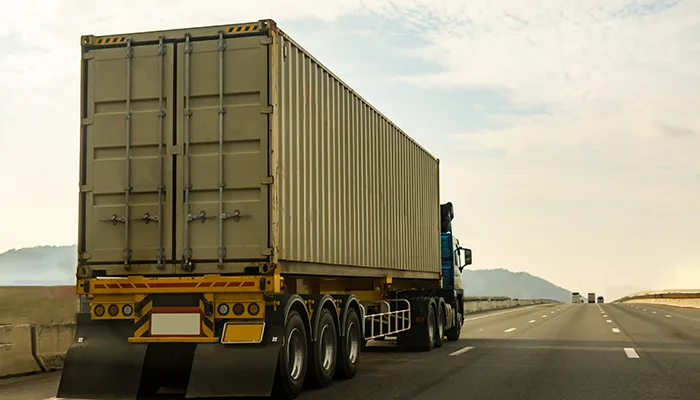
Road transportation is the most widely used form of logistics because of its unmatched flexibility. Trucks are capable of delivering goods exactly from the point of origin (such as a factory warehouse) to the final destination (the door of a store or a customer’s home), a process known as door‑to‑door delivery. This feature is essential for goods that require special packaging or fast, short‑term delivery. For short and medium distances, the initial cost is generally more economical than air transport.
However, this method is highly affected by factors such as traffic conditions, weather, and drivers’ mandatory rest periods. At the international level, border customs procedures and the need to coordinate transportation regulations between different countries are among the main challenges of road transport.
2. Rail Transportation (Trains)
Rail transportation is an ideal option for moving very large volumes of goods over long domestic and regional distances. Trains can carry massive quantities of cargo in an integrated manner, ranging from raw materials such as iron ore and grains to standard containers. The main advantage of rail transport is its energy efficiency and lower carbon dioxide emissions compared to trucking, making it a more sustainable option.
In addition, rail transport is less affected by traffic fluctuations, resulting in more predictable schedules. Its primary limitation is the need for extensive rail infrastructure and its lower flexibility in final routes. This means that once cargo reaches a rail terminal, trucks are usually required to transport it to its final destination.
Challenges and the Future
In both segments of land transportation, improving infrastructure (such as highways and high‑speed rail lines) and adopting smart technologies for fleet management are essential. The use of GPS tracking systems, traffic data management, and the development of autonomous vehicles can enhance safety and improve the efficiency of these modes within the global supply chain.
Conclusion
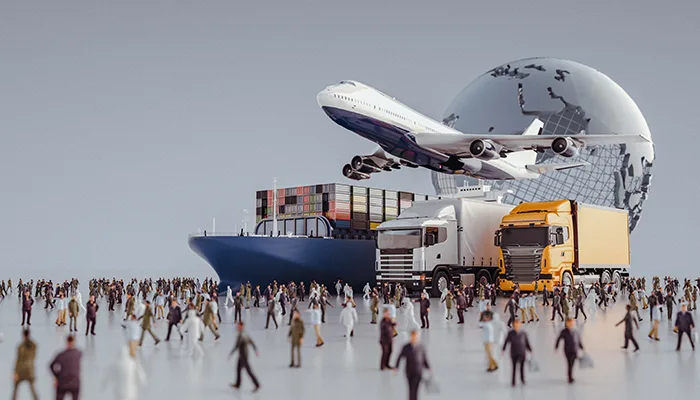
In summary, land transportation acts as a vital bridge between large‑scale maritime and air networks and end consumers. Its role in ensuring the smooth flow of goods is undeniable and remains fundamental to modern logistics systems.